

Last Updated: November 15, 2026
Quick Summary
Panic attack symptoms in women include a racing heartbeat, chest pain, shortness of breath, sweating, trembling, nausea, dizziness, tingling, chills or hot flushes, muscle tension, a spinning sensation, and weakness in the legs. Most panic attacks peak within minutes and are generally understood to come from the body’s fight-or-flight response activating unexpectedly. These signs are real, common, and treatable.
- Most panic attacks peak within minutes, so watch for the 12 listed physical warning signs.
- Women often describe panic as internal sensations and may blame stress, hormones, or illness first.
- New, severe chest pain, fainting, or trouble breathing that does not ease means call 911.
- A calm response: name it, breathe in for four counts and out for six, then ground your senses.
- Penny For Your Thoughts Counseling Florida, LLC offers a free 20-minute consultation.
Table of Contents
- Physical Panic Attack Symptoms in Women
- Emotional and Cognitive Symptoms: Intense Fear and Losing Control
- Panic Attack vs Anxiety Attack: How to Tell the Difference
- Severe Panic Attack Symptoms and Emergency Warning Signs
- How to Control a Panic Attack: A Step-by-Step Response
- Panic Attack Treatment Options and When to Seek Help
- Book Your Free 20-Minute Consultation
- Frequently Asked Questions
Physical Panic Attack Symptoms in Women
A panic attack is a sudden surge of intense fear that triggers strong physical reactions when there is no real danger (Panic Disorder: What You Need to Know). Many women ask one question about panic: “Why does my body react this way?” The answer starts with recognizing the physical panic attack symptoms in women, because the body often speaks before the mind can explain what is happening.
The physical signs are real. They are not weakness, and they are not “all in your head.”
The 12 Warning Signs to Recognize
Most panic attacks peak within minutes. Watch for these common physical symptoms:
- Racing heartbeat or pounding heart (heart palpitations)
- Chest pain or chest discomfort
- Shortness of breath or a choking sensation
- Sweating for no clear reason
- Trembling or shaking
- Nausea or abdominal distress
- Dizziness, lightheadedness, or feeling faint
- Tingling or numbness in the hands and face
- Chills or hot flushes
- Muscle tension and shaky limbs
- A feeling that the room is spinning
- A wave of weakness in the legs
Many people describe the first attack as terrifying because the body feels like it is failing. These sensations are generally understood to come from the body’s fight-or-flight response activating at an unexpected moment.
According to the National Institute of Mental Health on panic disorder, panic attacks are common and treatable. Knowing the signs is the first step toward getting help.
Why Symptoms Can Feel Different in Women
Panic symptoms are not exclusive to women, and there is no separate diagnostic checklist for women. The core symptoms above are the same ones clinicians look for in anyone. What can differ is how those symptoms are experienced, interpreted, and reported.
That framing matters for care. When symptoms are attributed to “just hormones” or “just stress,” an evaluation can be delayed. A clinician can help sort out what is panic, what is hormonal, and what needs a separate medical workup.
Symptoms Across Menstrual, Pregnancy, Postpartum, and Menopause Stages
Hormonal life stages can change how the body feels day to day, and those changes can overlap with panic symptoms. This is a qualified overview, not a claim that hormones cause panic attacks.
- Menstrual cycle: Some women notice more anxiety or physical symptoms in the days before their period. Tracking symptoms alongside your cycle can help a clinician see patterns.
- Pregnancy: Shortness of breath, a racing heart, and dizziness can occur in normal pregnancy, which can make panic symptoms harder to interpret. Any new chest pain, fainting, or severe breathlessness in pregnancy warrants prompt medical attention.
- Postpartum: The demands of a newborn can raise stress and anxiety. Postpartum anxiety and panic are recognized concerns, and they are treatable.
- Menopause: Hot flushes and palpitations can occur during perimenopause and menopause, and they can resemble panic symptoms. A clinician can help distinguish the two.
Watch out: do not assume a symptom is “just hormonal” or “just panic” without an assessment, especially if it is new, severe, or accompanied by chest pain, fainting, or trouble breathing.
If you are unsure whether what you are feeling is panic or something else, a medical evaluation is the safest first step. Our team can help you understand the next steps in when anxiety requires professional treatment.
Emotional and Cognitive Symptoms: Intense Fear and Losing Control
The emotional side of a panic attack can be just as strong as the physical one. Women often report a sudden sense of impending doom, a fear of dying, or a fear of losing control. Some feel detached from their own body, as if they are watching themselves from outside.
These thoughts are frightening, but they are symptoms, not predictions. A panic attack does not mean something bad is about to happen. It means the brain’s alarm system has misfired.
A common mistake is to fight the fear head-on. In practice, fighting it tends to make the wave bigger. Naming the thought (“this is a panic symptom, not danger”) helps more.
Panic Attack vs Anxiety Attack: How to Tell the Difference
A panic attack is a sudden, intense surge of fear that peaks within minutes, while an anxiety attack is a slower build of worry that can last hours or days. The two feel similar, but the timing and intensity differ.
| Feature | Panic Attack | Anxiety Attack |
|---|---|---|
| Onset | Sudden, no clear trigger | Gradual build-up |
| Peak | Within minutes | Hours or days |
| Intensity | Very intense | Mild to moderate |
| Physical symptoms | Strong (racing heart, chest pain) | Often milder |
| Duration | Usually short | Can linger |
For a deeper breakdown, read our guide on anxiety vs panic: what’s the difference.
Severe Panic Attack Symptoms and Emergency Warning Signs
Most panic attacks pass without physical harm. Still, some symptoms need prompt medical attention, especially the first time they happen. The challenge is that a first panic attack can look and feel like a heart attack, and the two can share chest pain, shortness of breath, sweating, and a racing heart.
Panic or Heart Attack? What to Do First
You cannot reliably tell the difference on your own, and you should not try to. If you are having new, severe chest pain, pain that spreads to the arm, jaw, neck, or back, fainting or near-fainting, or trouble breathing that does not ease, call 911 or go to the nearest emergency department. Emergency clinicians would rather evaluate a panic attack than miss a cardiac event.
A few patterns can help you describe what is happening, but they do not replace an evaluation: (Source: fight-or-flight response)
- Panic-related chest discomfort is often described as tightness that comes on suddenly. Cardiac chest pain can feel different and may spread to other areas.
Watch out: do not use these patterns to self-diagnose. If there is any doubt, treat it as a medical emergency.
Other Conditions and Medications That Can Resemble Panic
Panic symptoms can overlap with other medical issues, which is one reason a professional assessment matters. Clinicians may consider:
- Cardiac conditions, such as arrhythmias or angina
- Thyroid problems, including hyperthyroidism, which can cause palpitations, sweating, and anxiety
- Anemia and low blood sugar, which can cause dizziness, weakness, and a racing heart
- Asthma and other breathing conditions, which can cause shortness of breath and chest tightness
- Medication and stimulant effects, including caffeine, decongestants, and some prescription drugs
- Substance use or withdrawal, including alcohol and cannabis
This is not a checklist for self-diagnosis. It is a reason to bring a clear symptom history to a clinician who can order the right tests.
When to Seek Emergency Care
Seek emergency care if you notice:
- Chest pain that spreads to the arm, jaw, or back
- Fainting or near-fainting
- Trouble breathing that does not ease
- Symptoms that are new and severe
- A sense of impending doom with physical symptoms you have not had before
If you are supporting someone through a severe attack, our article on how to help someone having a panic attack walks through what to do.
Prepare for a Healthcare Appointment
A symptom log makes an appointment more useful. Bring notes on:
- When symptoms start and how long they last
- What you were doing and how you felt just before
- Where you are in your menstrual cycle or life stage, if relevant
- Medicines, supplements, caffeine, and alcohol use
- Any prior panic attacks and what helped
This record helps a clinician decide what to evaluate and what to rule out. If you would like support preparing for that conversation, our team can help; see when anxiety requires professional treatment.
How to Control a Panic Attack: A Step-by-Step Response
You can learn to ride out a panic attack instead of being overwhelmed by it. A calm, repeatable response helps the body settle faster.
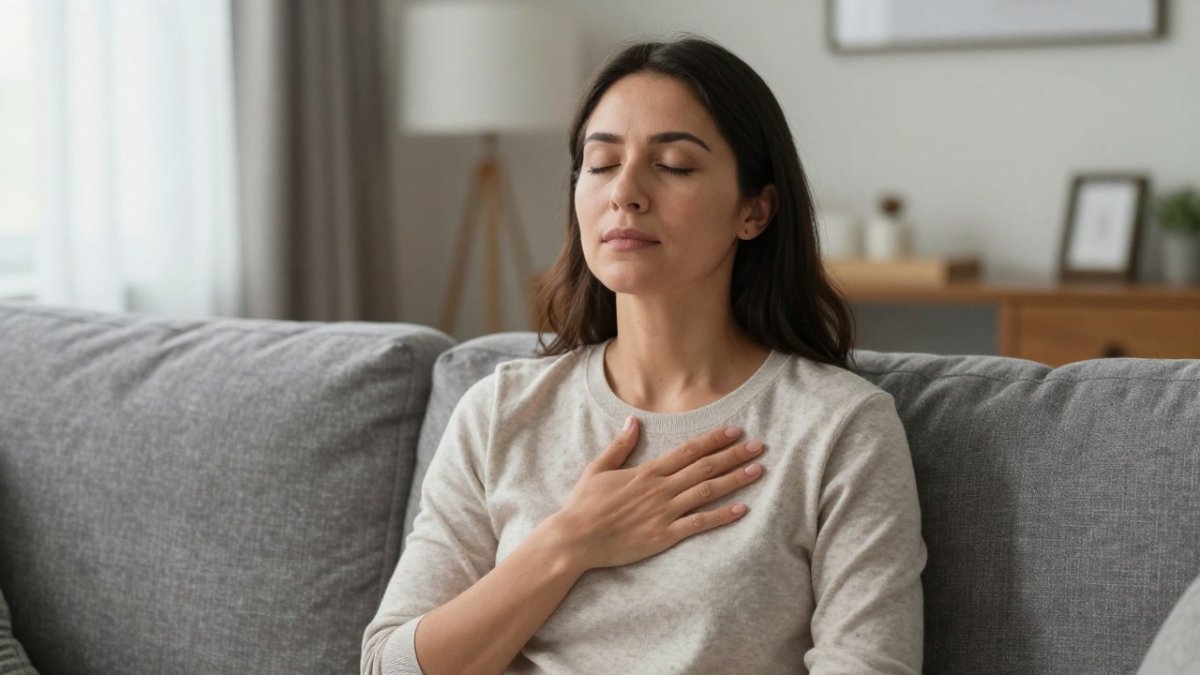
Try these steps when an attack starts:
- Pause and name it. Say, “This is a panic attack. It will pass.”
- Slow your breathing. Breathe in for four counts, out for six.
- Ground your senses. Name five things you can see and four you can touch.
- Relax your shoulders. Unclench your jaw and drop your shoulders.
- Stay put if you can. Sit somewhere safe until the wave passes.
- Sip cold water. The cool sensation helps reset your focus.
For a fuller method, see how do you manage panic attacks step by step.
Panic Attack Treatment Options and When to Seek Help
Panic attacks can be treated. Common options include therapy, such as cognitive behavioral therapy, and, when appropriate, medication prescribed by a qualified clinician.
Consider reaching out for professional support if:
- Attacks keep recurring or happen unexpectedly
- You start avoiding places or people out of fear
- Worry about the next attack takes over daily life
- Symptoms affect work, sleep, or relationships
Our team explains the signs that professional help is needed in when anxiety requires professional treatment. Penny For Your Thoughts Counseling Florida, LLC offers a free 20-minute consultation so you can ask questions before deciding on care.
Book Your Free 20-Minute Consultation
You do not have to manage panic alone. Understanding your symptoms is a strong first step, and the right support can help you break old patterns and find a new balance.
Penny For Your Thoughts Counseling Florida, LLC offers a safe, spa-like environment for healing. Its services include virtual reality therapy and a personalized plan built around your needs.
Take the next step toward the life you want. Get started with Penny For Your Thoughts Counseling Florida, LLC and book your free 20-minute consultation today.
A panic attack can feel isolating, but it is a common and treatable experience. If symptoms are affecting your daily life, reaching out for support is a sign of strength, not weakness.
Frequently Asked Questions
What are the most common panic attack symptoms in women?
Women commonly report a racing or pounding heartbeat, shortness of breath, chest discomfort, sweating, trembling, dizziness, and nausea. Emotionally, panic attack symptoms often include intense fear, a sense of impending doom, and fear of losing control or dying. Many women describe feeling detached from their surroundings or numb in their hands and feet. If you notice these signs recurring, a licensed counselor can help you understand what is happening and build a plan to manage them.
How can I control a panic attack when it starts?
Start with slow breathing: inhale through your nose for four counts and exhale for six, which helps counter rapid breathing. Name five things you can see, four you can touch, three you can hear, two you can smell, and one you can taste to ground yourself. Remind yourself the attack will pass and is not life-threatening. Sit down if you feel faint. Practicing these steps when you are calm makes them easier to use during an attack. A therapist can help you build a personalized response plan.
How do I know if it is a panic attack or a heart attack?
Both can cause chest pain, shortness of breath, and a racing heartbeat, so the difference is not always obvious. Panic attack symptoms can include tingling in the hands or face and a sense of unreality, while heart attack pain can spread to the arm, jaw, or back. Because the symptoms overlap, do not try to diagnose yourself. If you have risk factors for heart disease or the pain is new and severe, call 911 or go to the nearest emergency room.
When should I seek professional help for panic attacks?
Consider reaching out to a licensed counselor if attacks recur, if you start avoiding places or situations for fear of another attack, or if the worry about the next one interferes with work, sleep, or relationships. Panic attack treatment can include cognitive behavioral therapy and, when appropriate, medication managed by a physician. A free 20-minute consultation can help you decide whether therapy or life coaching fits your situation and what the next step looks like.

Recent Comments